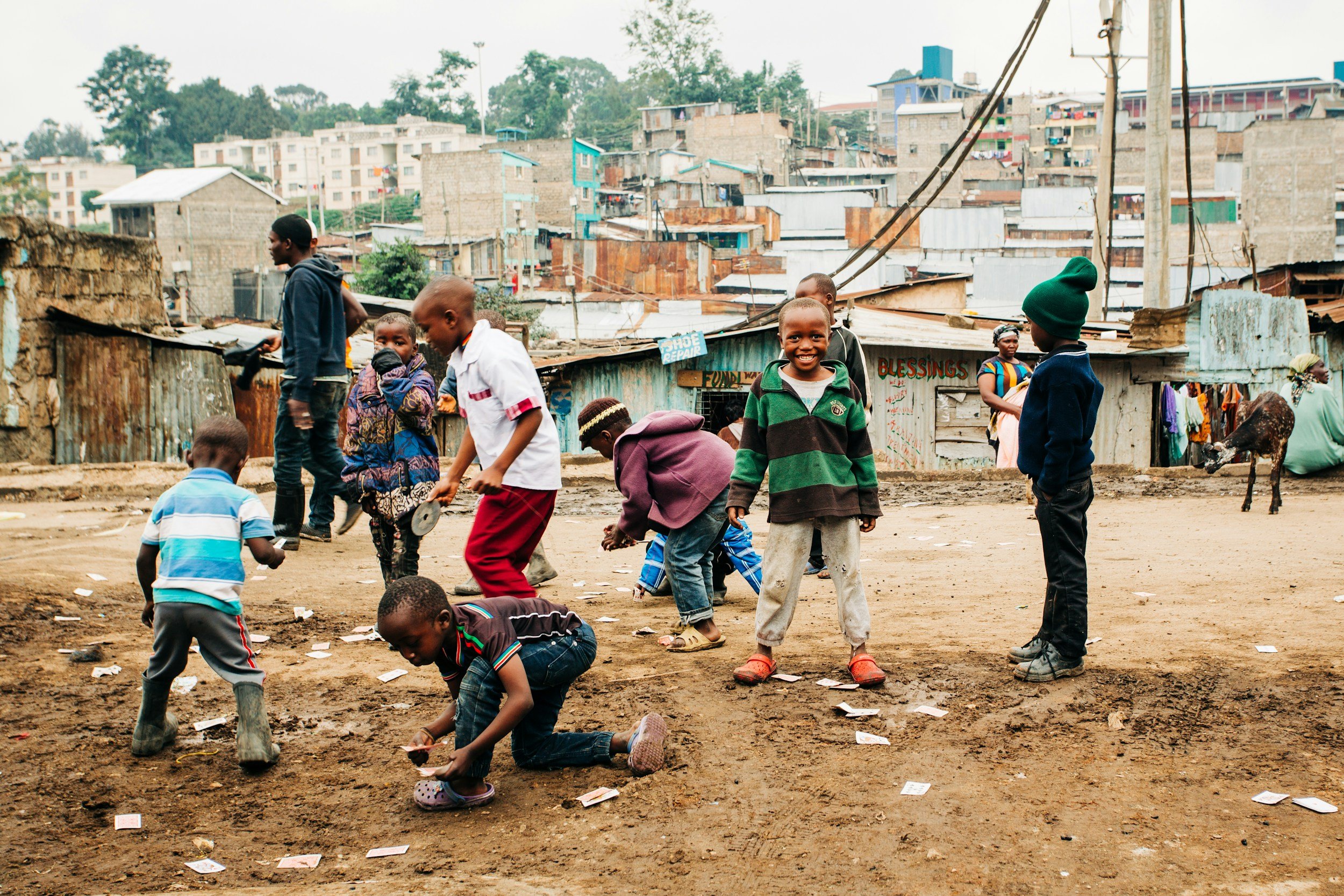
Offering Hope and Empowerment
Our efforts are geared to foster hope and empowerment both to those infected and those affected. This is a hope “based on the promise of God that a new future is always available to us, that numerous possibilities exist in every present circumstances” Looking into the eyes of these children and families brings one to the humbling reality of a life lived in futureless-ness. When we visit with the guardians they reflect anxiety and hopelessness, knowing that it is a matter of time before their lives come to an end with unfulfilled aspirations and a sure cycle of the same for their younger generations. They reflect despair. FOWCUS - helps rekindle lost hope in the orphaned children and widows and grandparents by simply communicating that they are not alone, that some people care and that God cared.
We are offering Hope and empowerment in three specific ways:
-
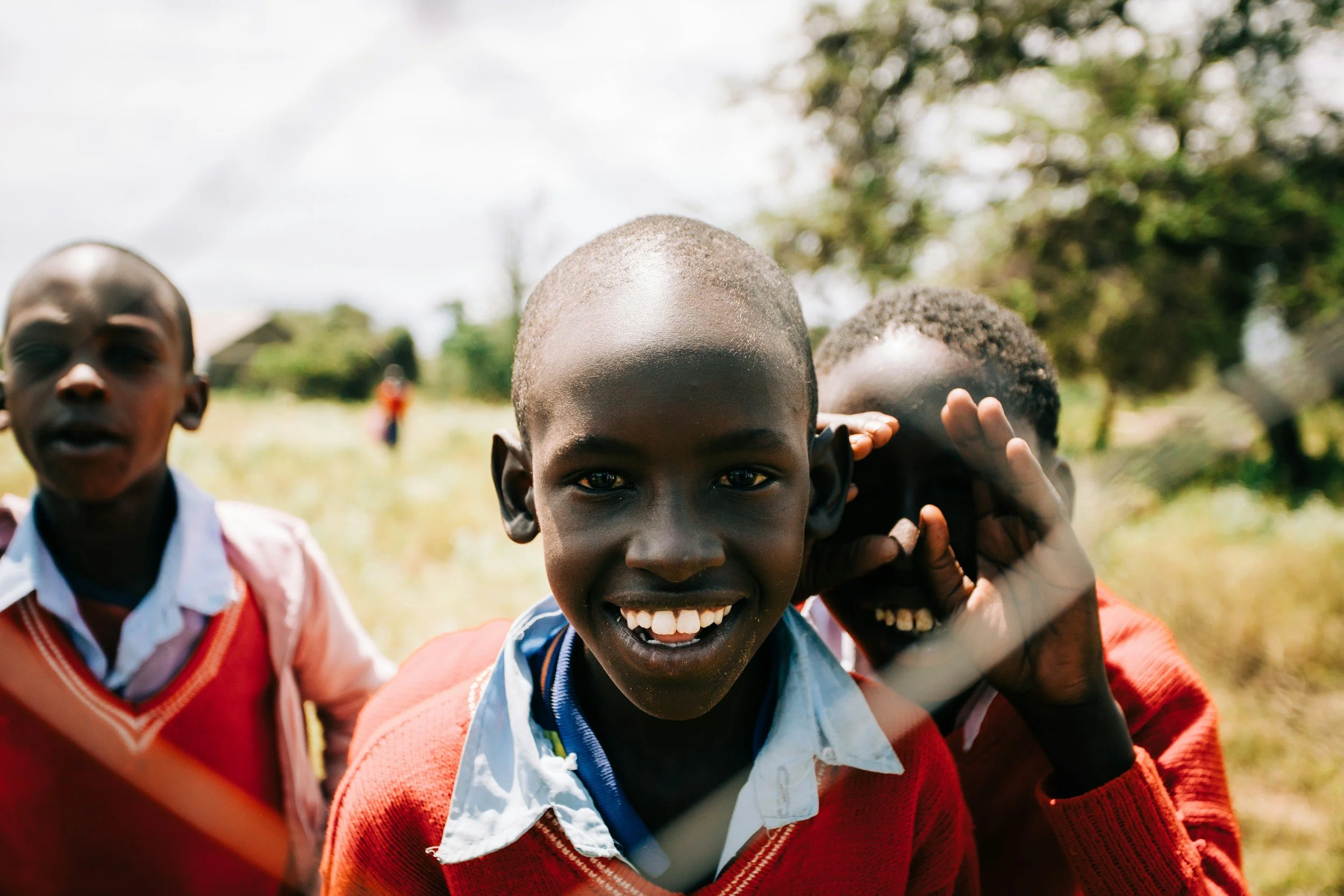
Being and Rallying communities to be an agency of Love and Acceptance.
FOWCUS – Kenya continues to encourage social interactions among the guardians who now met on a weekly basis to pray together and share ways to help their families. Simple acts of love among this group, continue to mobilize and challenge the communities about their own orphaned children.
-
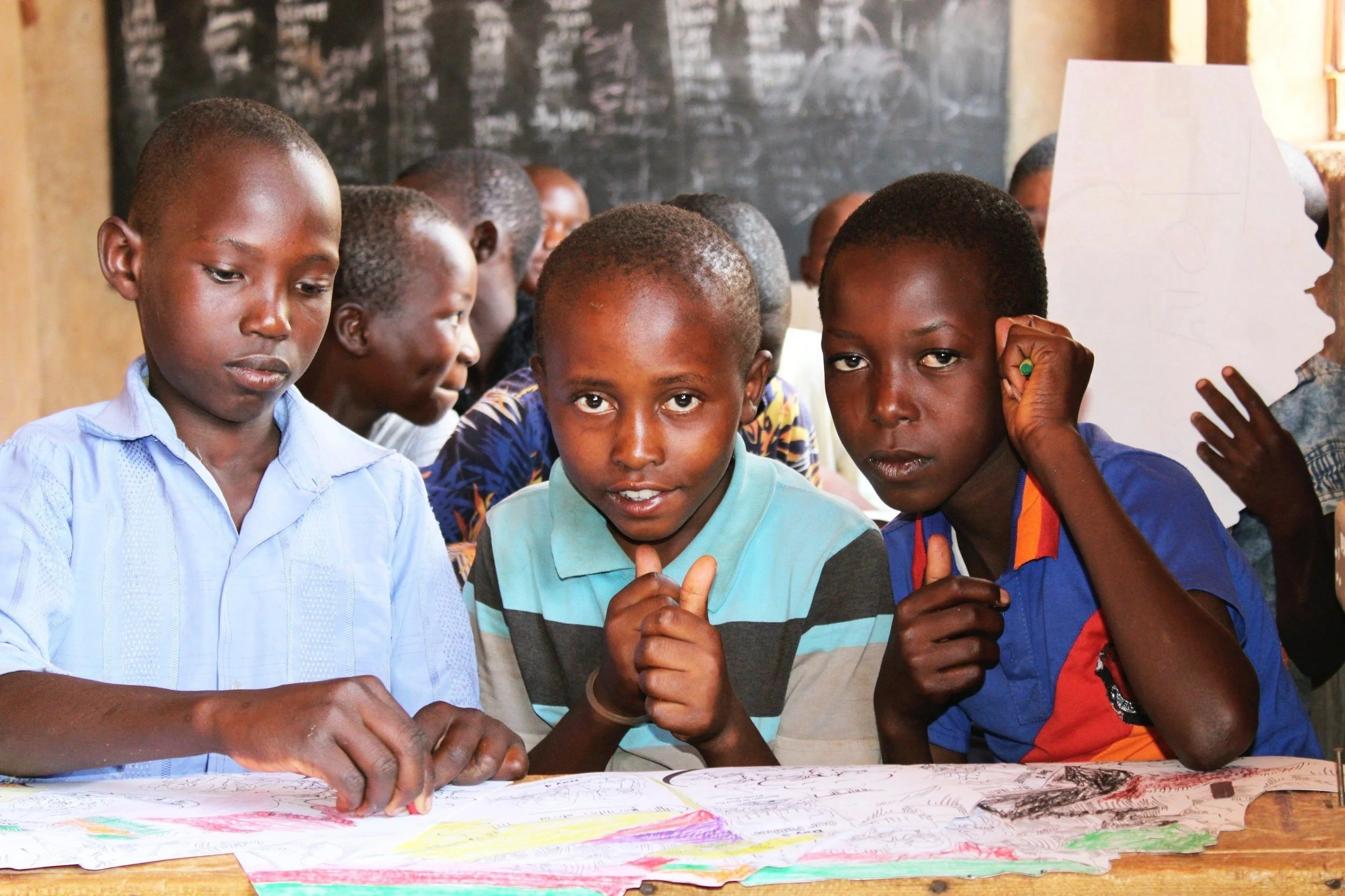
Orphan Educational Programs
Securing educational programs for the orphans is crucial. In traditional Kenya, a child [usually sons] inherited the father’s landed property as insurance for his and his family’s future. Today, landed property has dwindled and its worth has been replaced by education. Unfortunately, even though the country prides itself on free primary education, there are auxiliary fees baptized all kinds of different names to ensure that education still sounds “free”. These include “building fees”, “development fees” “harambee fees” etc. All these fees are necessary for the running of public schools because the Government pays only the teachers’ salaries. Parents have to pay for the chalk that the teacher uses on the board, for the teacher’s and student books, for a caved-in roof, etc. If a child cannot pay these other fees, the child cannot attend the “free public school”. The staggering number of orphans in Kenya alone which is roughly reported at 860,000 in Kenya, underlines the urgency to provide education, the tangible key, to these kids.
At the moment we have 45 children on the MWAKI orphans program who receive between 120.00 to 180 per year towards educational expenses, depending on their level of education. Their support is individuals like you and me, especially from the U.S.
-
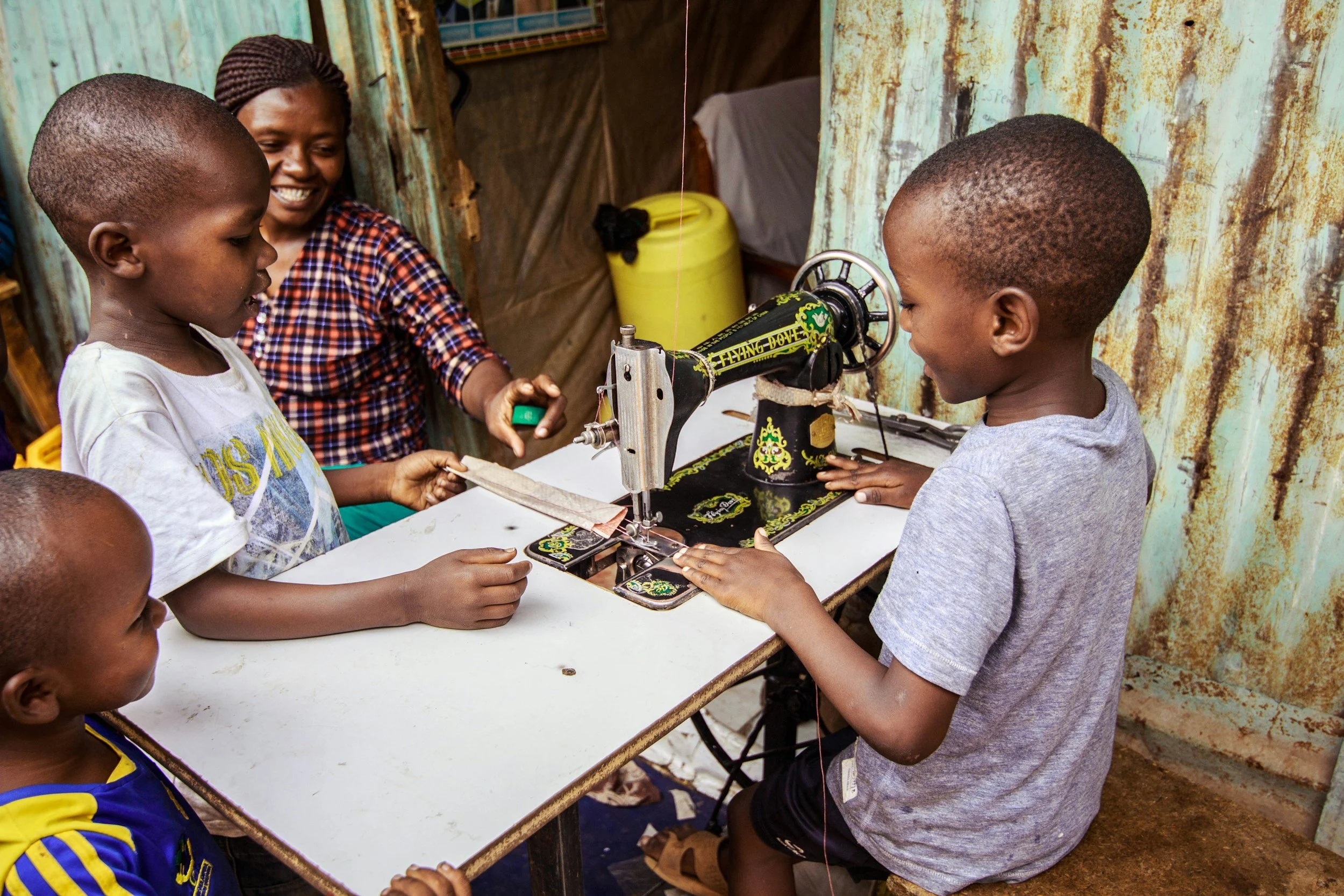
Self-Help Projects
Self-help projects that give survivors a sense of ownership and productivity can also be very empowering. Our approach is an Empathic Mission Outreach model, which is especially useful to communities where sense of livelihood has overtime been depleted. It entails participatory help in which the receiver participates in designing what can be of help and how they can contribute in partnership with the intervener. We are exploring ways to uplift the guardians fellowship to be more economically empowering.